
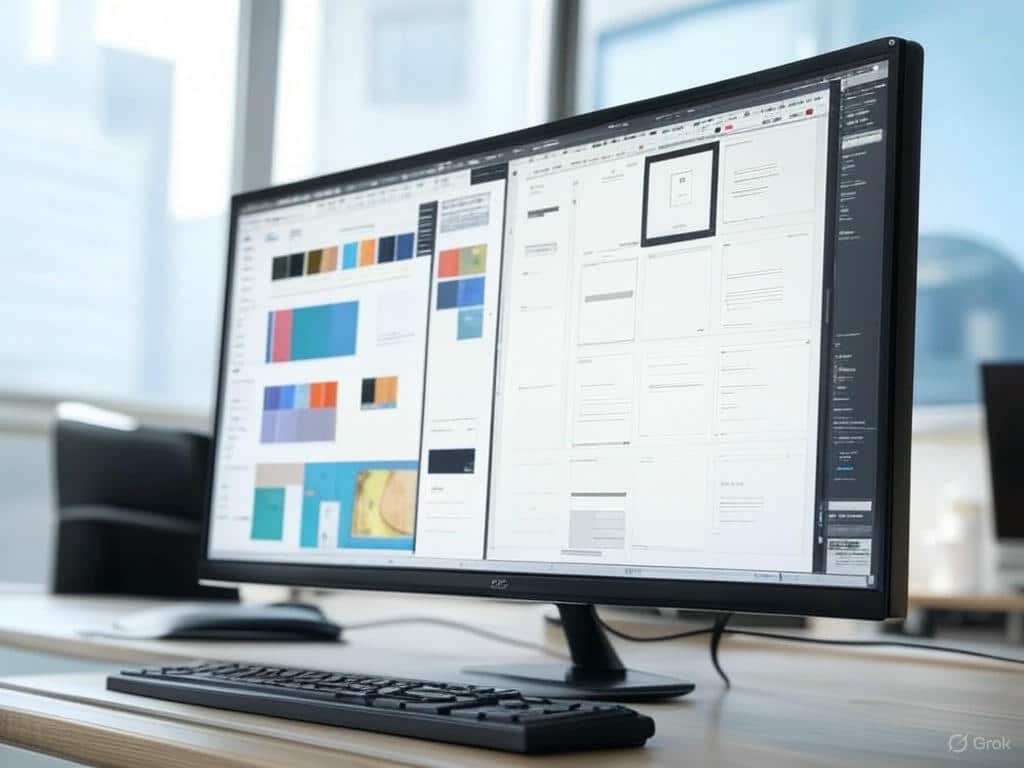
In 2026, the best web design stack is less about flashy templates and more about clear handoff, responsive UI, and measurable performance. Below are five tools our web design team still recommends for Malaysian SMEs—whether you prototype in-house or brief an agency.
01. Figma
Figma is the default collaborative UI/UX tool for web and mobile interfaces. Designers, developers, and stakeholders work in one file with real-time comments, component libraries, and developer handoff (specs, assets, and CSS tokens). It replaced Adobe XD for most teams. Learn more: https://www.figma.com/
02. Framer
Framer is a visual site builder aimed at marketing and product sites that need motion and polished layouts without a full custom engineering build. It suits landing pages and brand sites where design iteration speed matters. Explore Framer: https://www.framer.com/
03. WordPress
WordPress remains the most common CMS for Malaysian SME corporate sites, blogs, and content-heavy marketing pages. Themes and plugins cover forms, SEO basics, and bilingual content—when scoped carefully. Start here: https://wordpress.org/
04. Bootstrap
Bootstrap is still a practical CSS framework for responsive, mobile-first front-end builds when you need predictable grids, forms, and components. Many coded handoffs also use utility-first stacks such as Tailwind CSS; Bootstrap remains useful for rapid, consistent layouts. Get it here: https://getbootstrap.com/
05. PageSpeed Insights
PageSpeed Insights (and Core Web Vitals) is how you validate that a design still performs after launch—lab and field data on LCP, INP, and CLS. Use it before go-live and after major content or theme changes. Docs: https://developers.google.com/speed/docs/insights/v5/about
Tools alone do not make a site convert. If you need a production-ready corporate or marketing site built and maintained for Malaysia, talk to our web design practice.